August 28, 2026
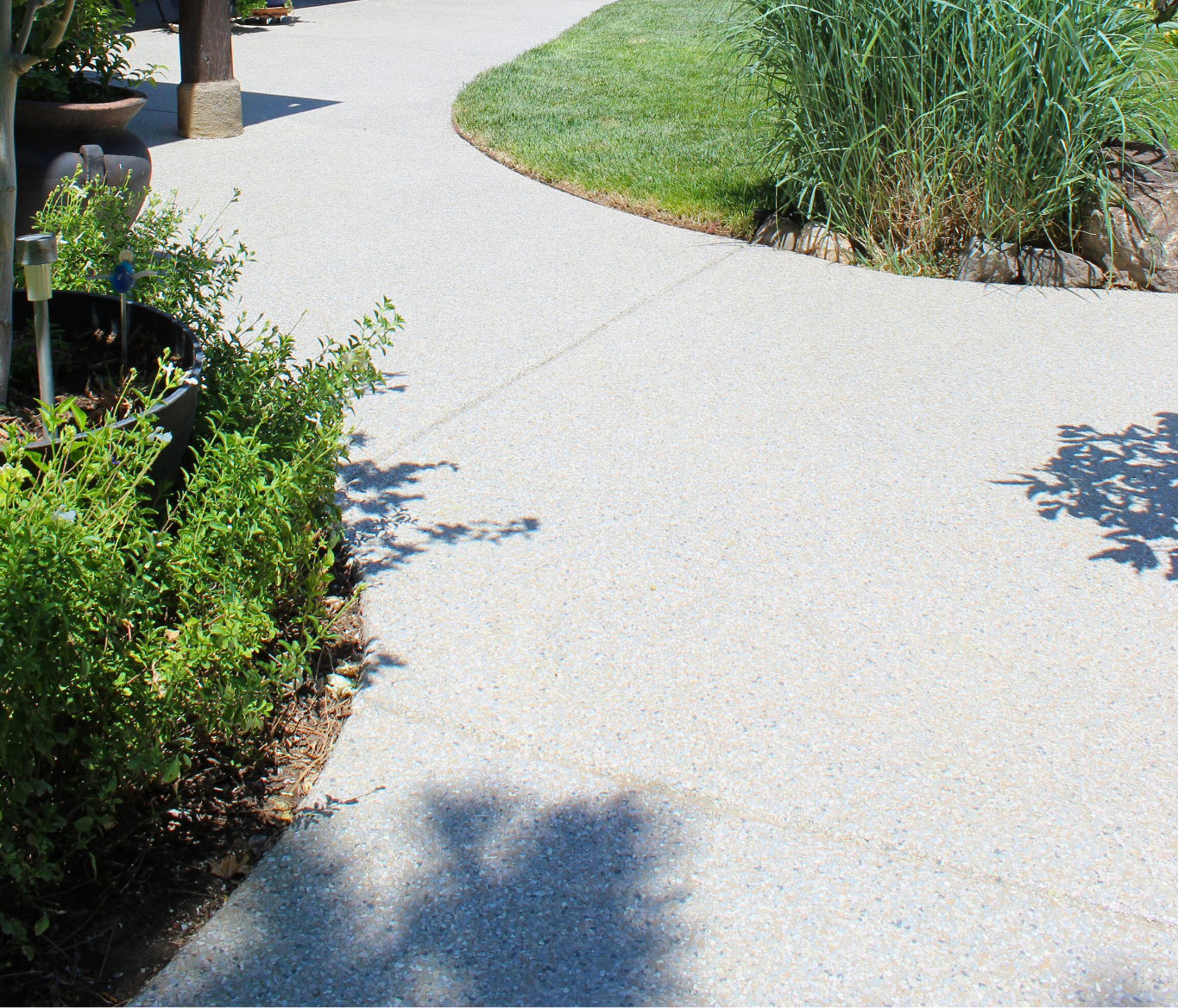
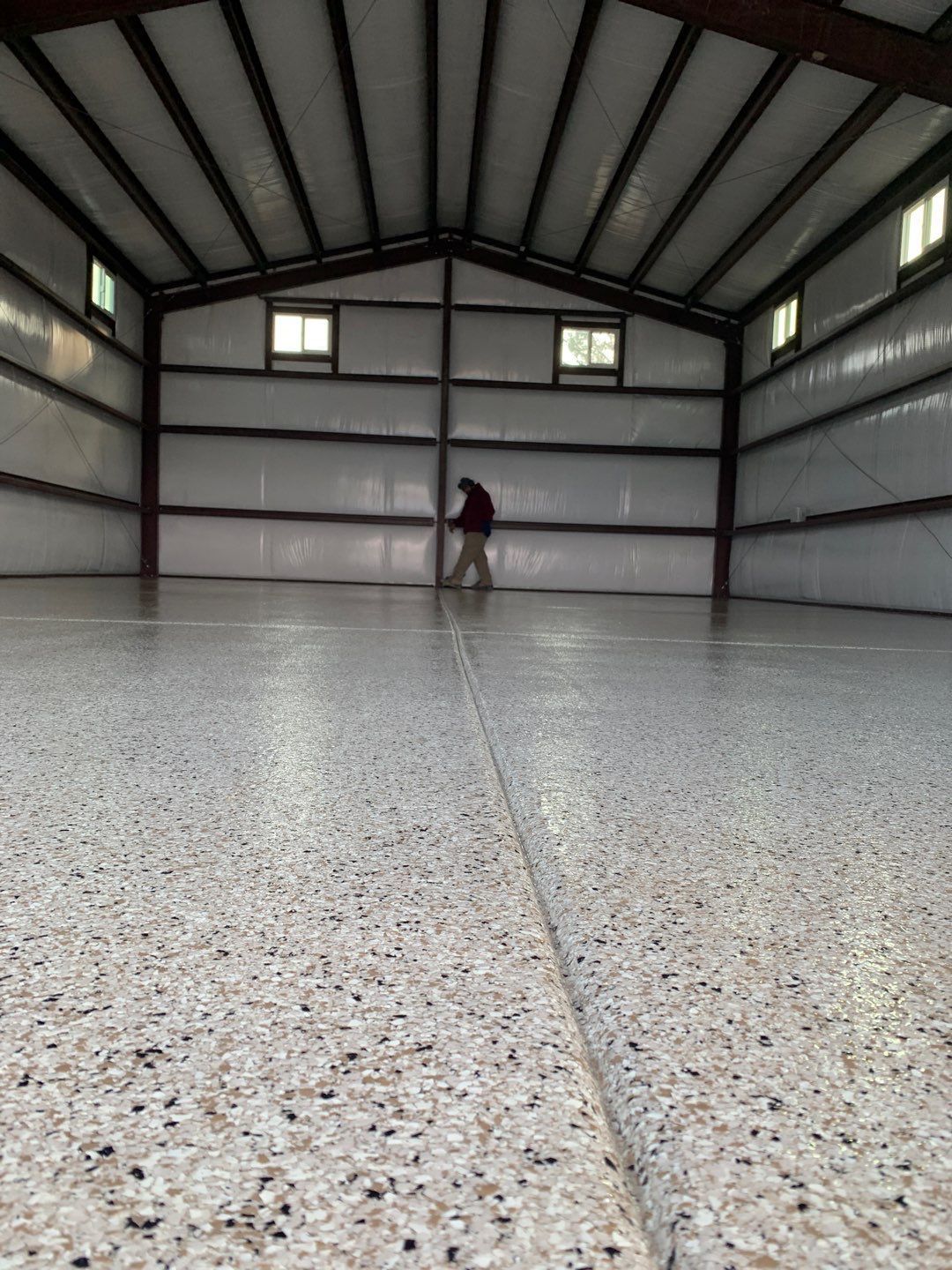
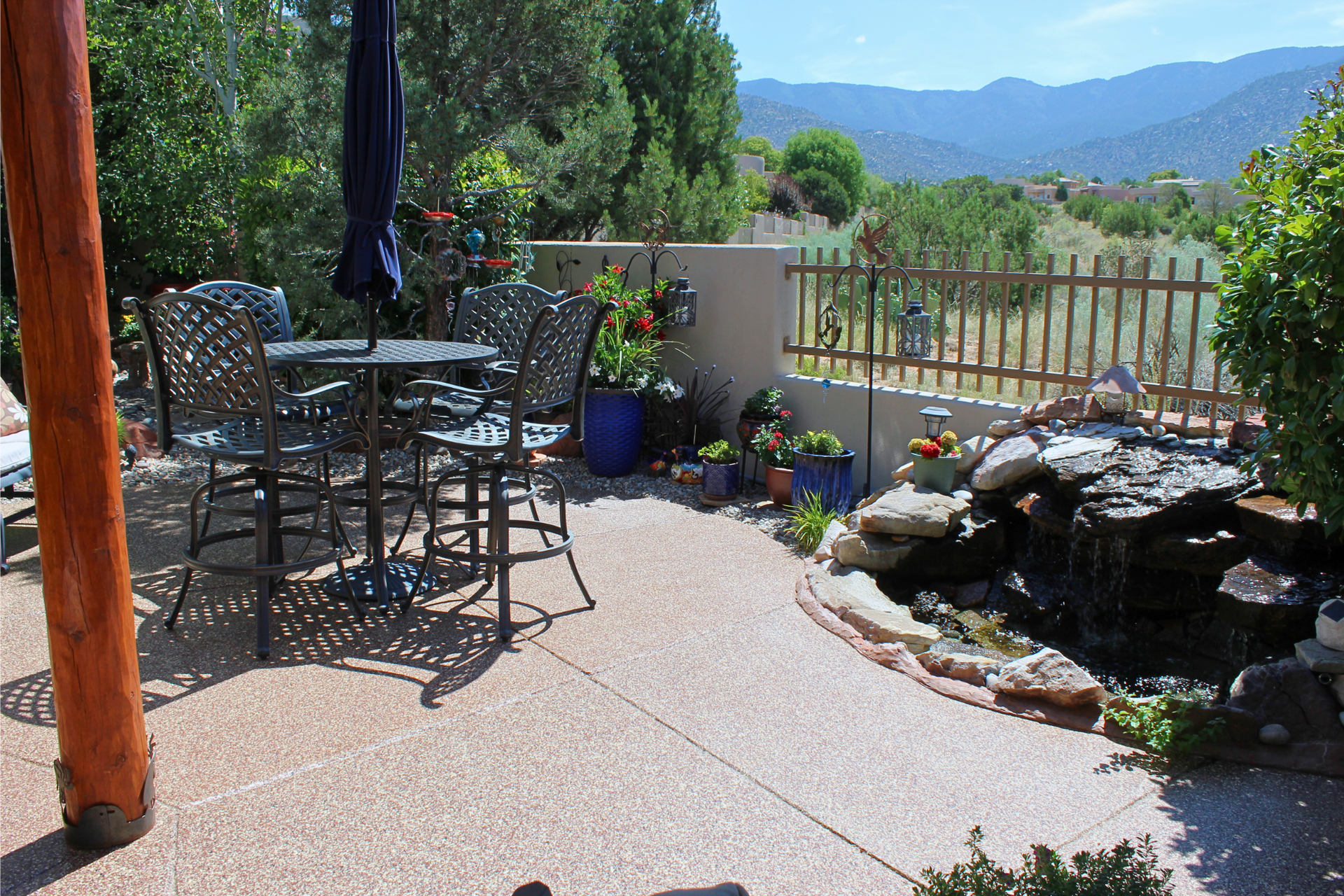
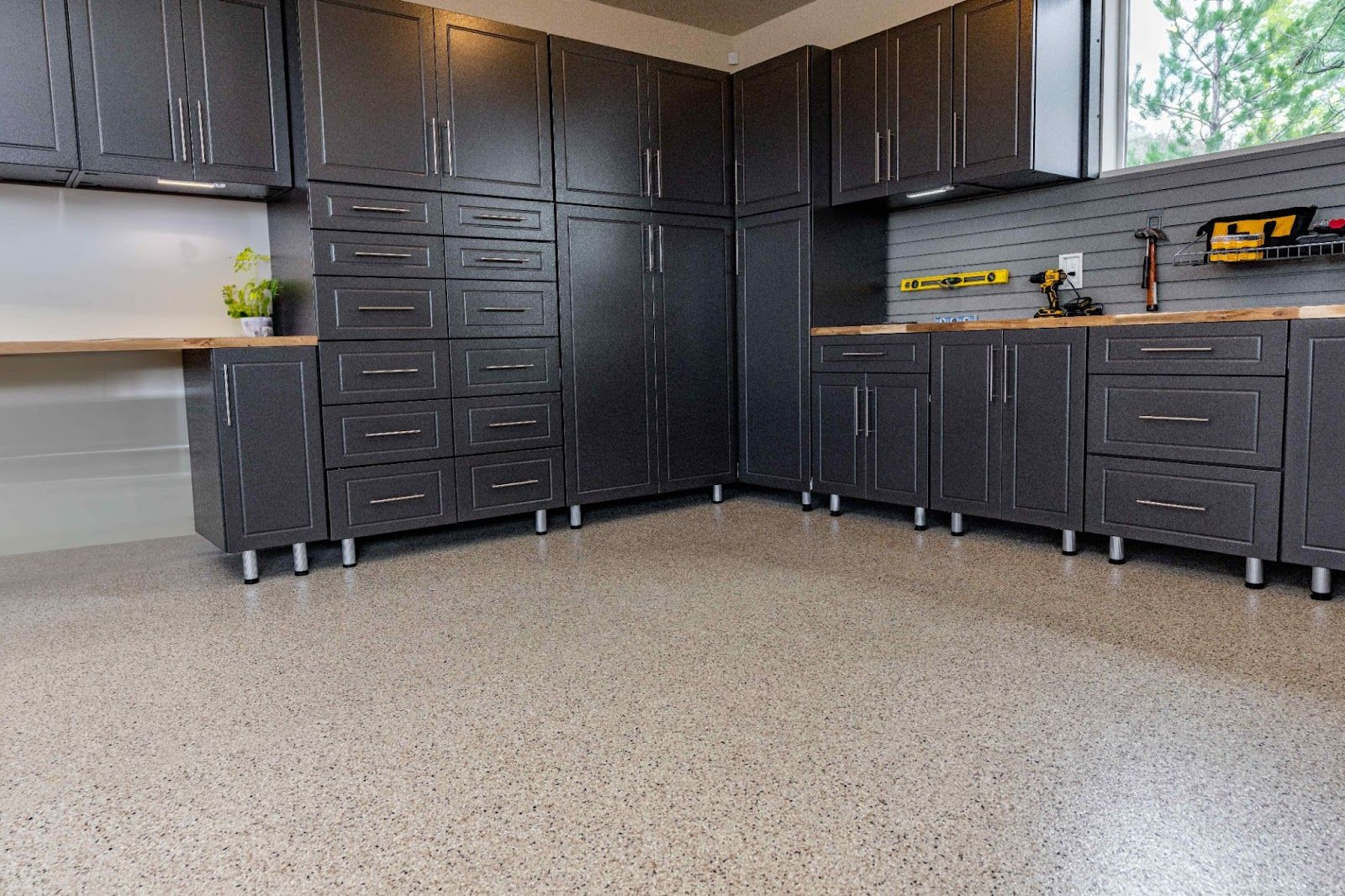
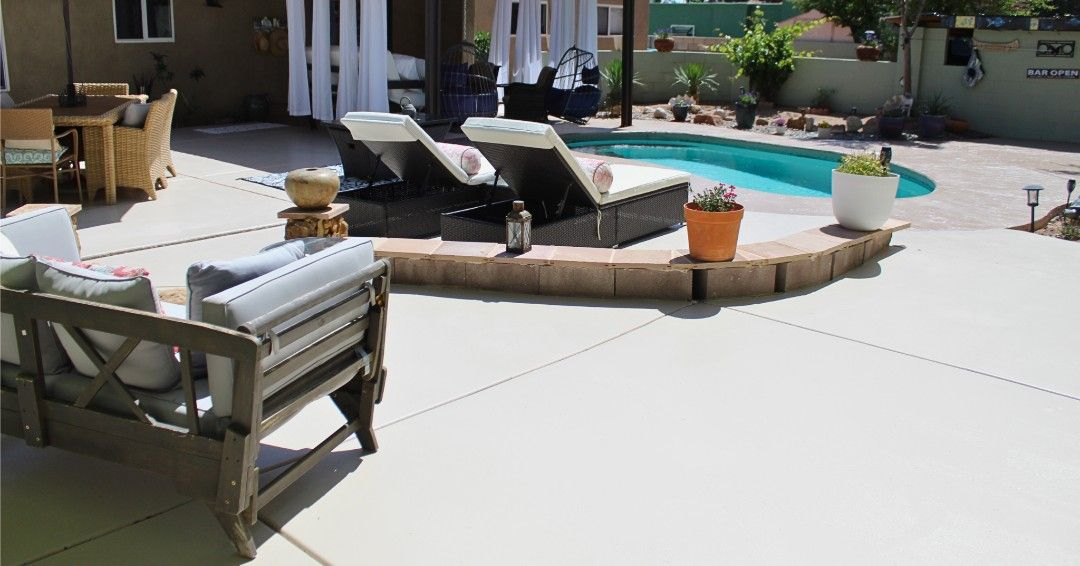
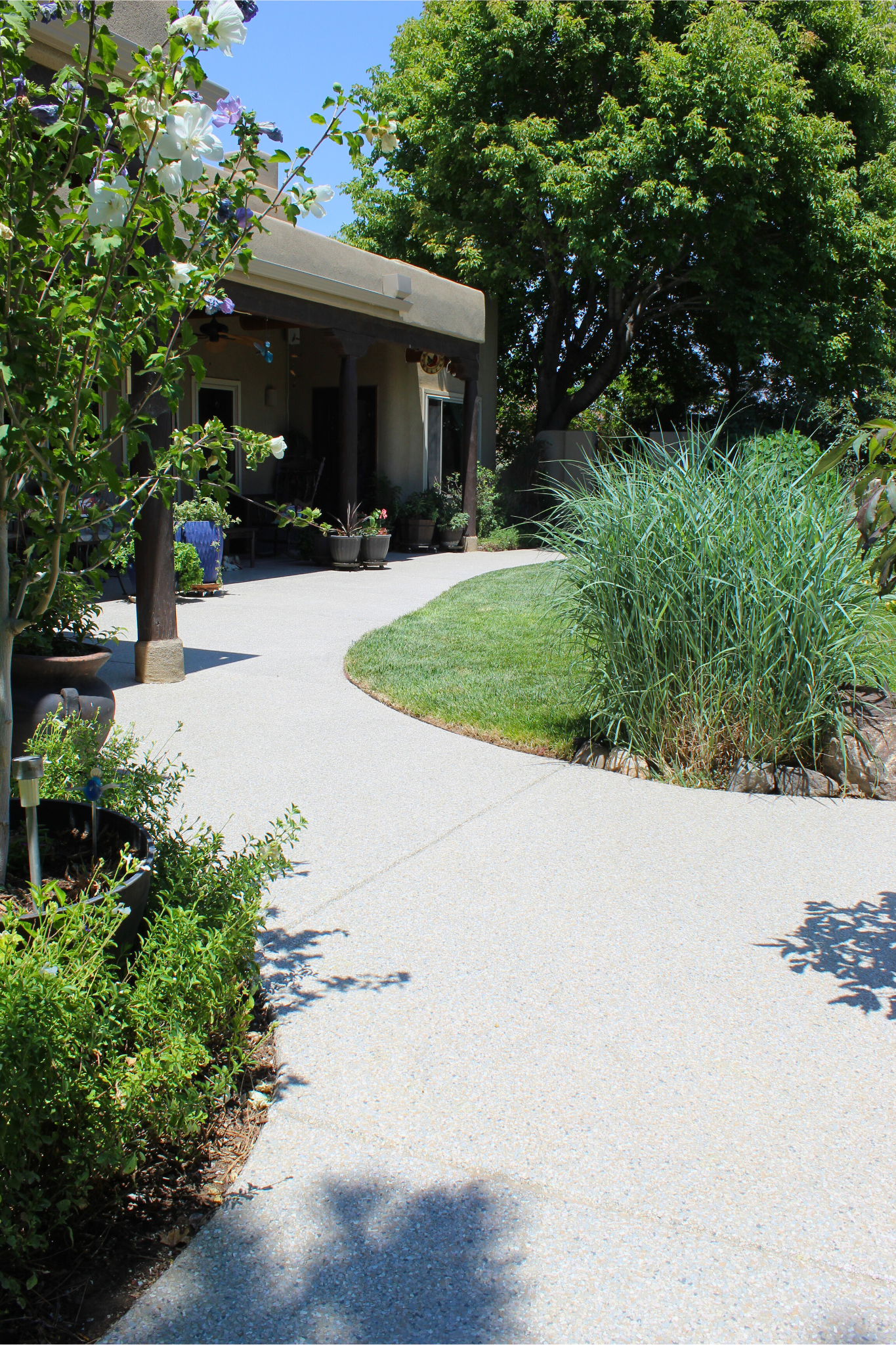
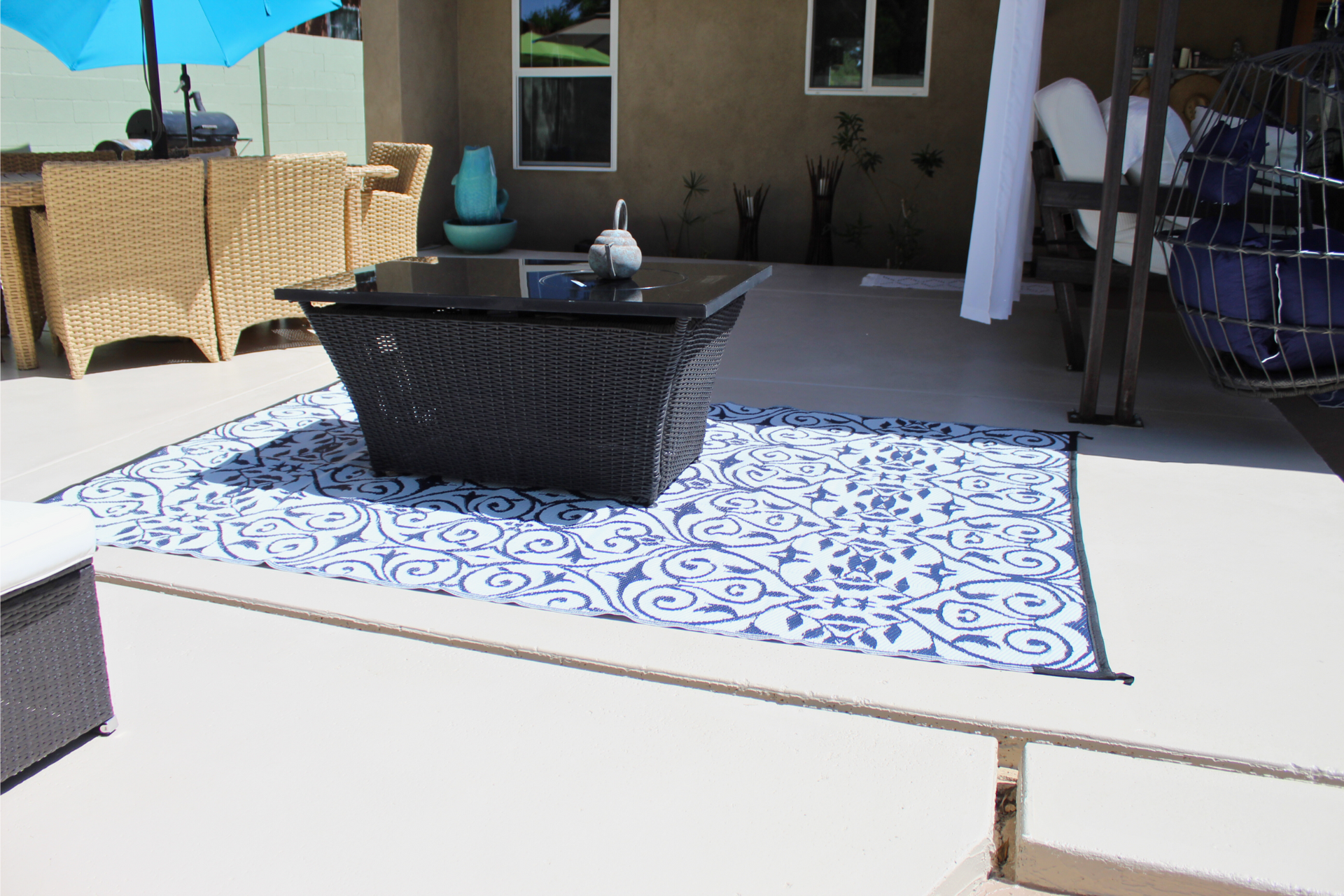
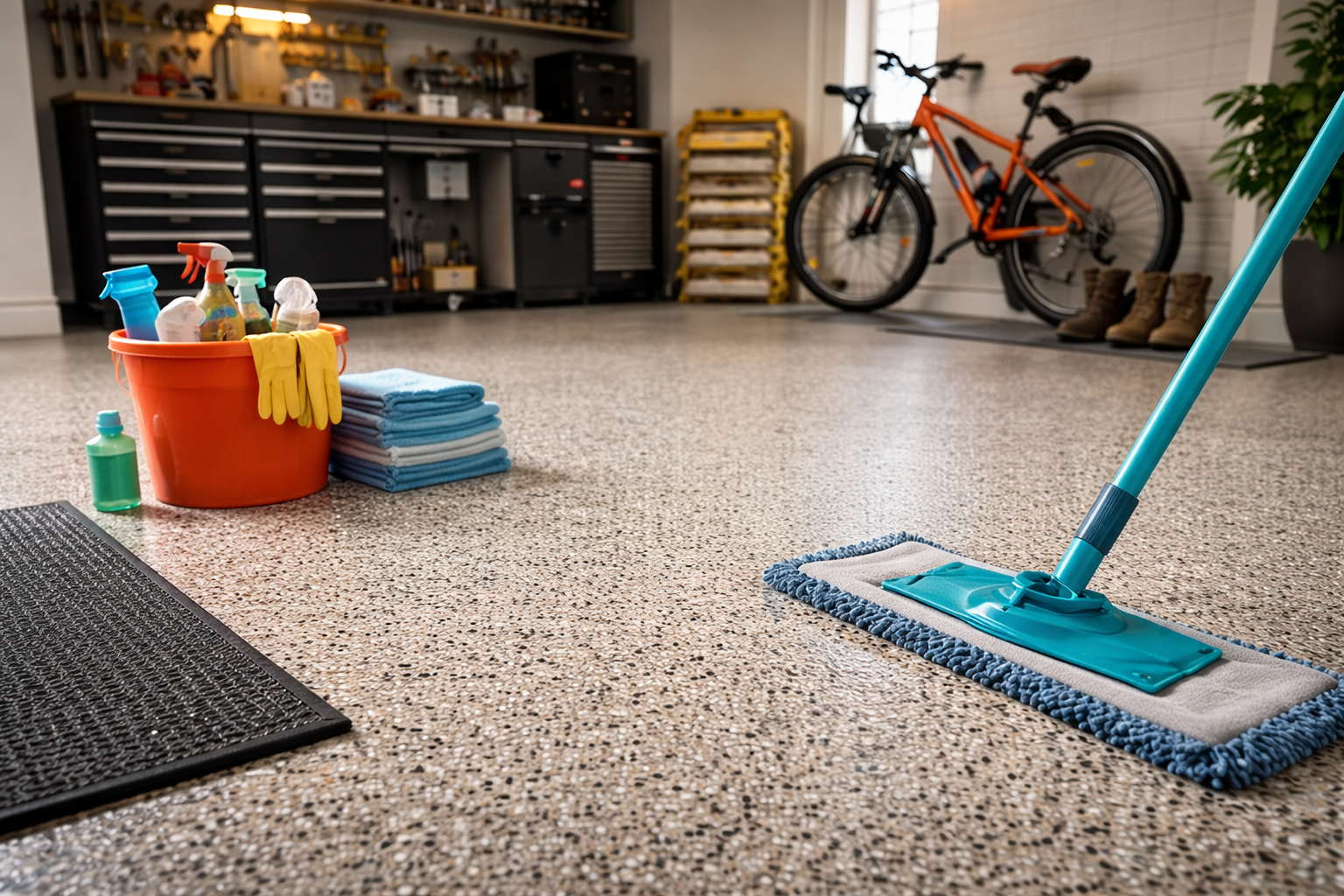
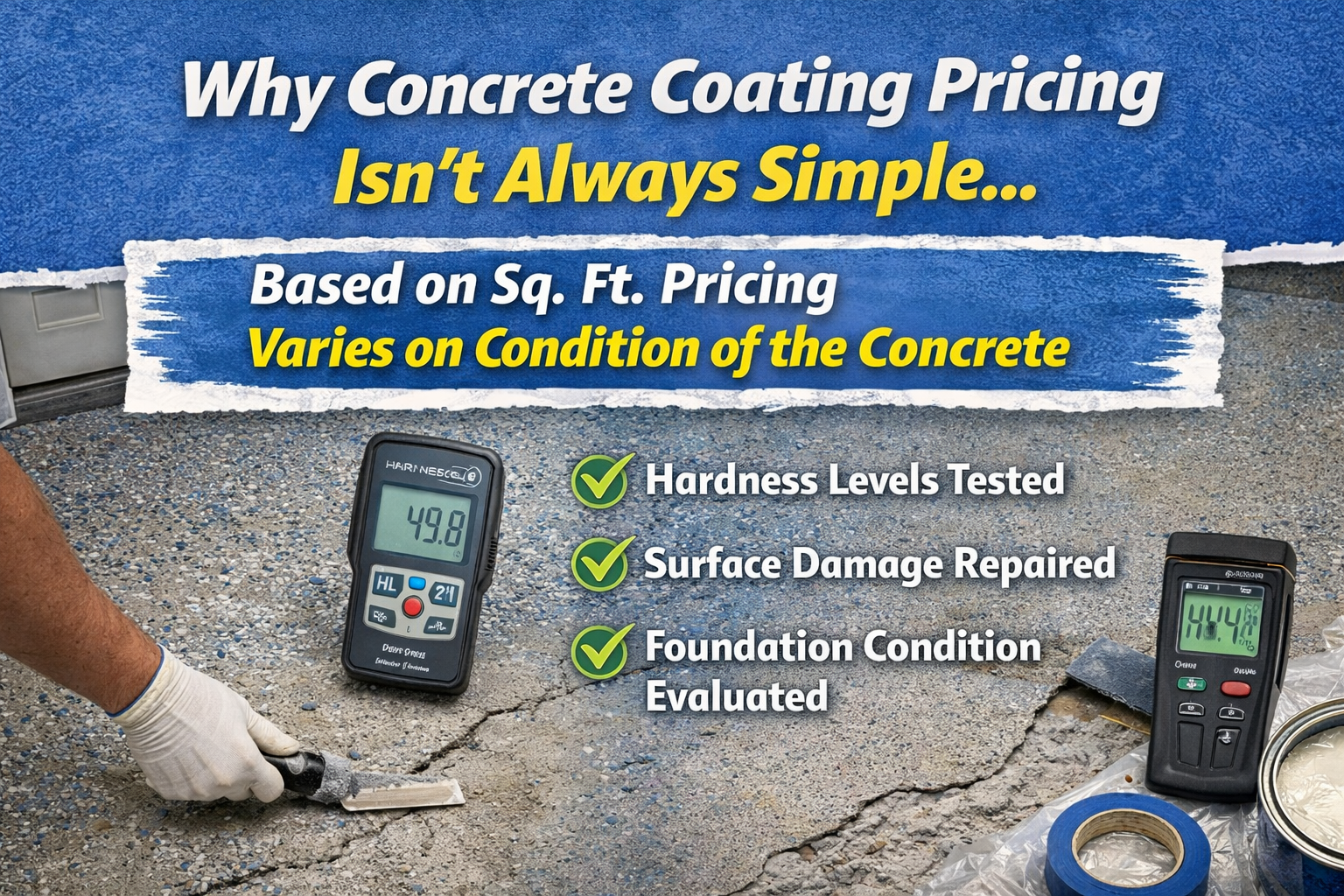
Fall is the ideal time to inspect and maintain your concrete. Although concrete is durable, cracks, standing water, stains, and worn surfaces can become more serious when temperatures drop. New Mexico’s winter weather can be unpredictable. Sunny afternoons may be followed by freezing nights, especially in higher-elevation communities. If water enters porous concrete or existing cracks and then freezes, it expands. Repeated freezing and thawing can gradually contribute to cracking, scaling, and other surface damage. A simple fall concrete maintenance routine can help protect garage floors, patios, walkways, commercial floors, and other hard-working surfaces. Use this checklist to find minor problems, improve drainage, and prepare your concrete before winter arrives. Why Fall Concrete Maintenance Matters Concrete contains small pores that can absorb water and other liquids. Uncoated surfaces are particularly vulnerable because moisture can move into the slab rather than remaining on top. When temperatures fall below freezing, trapped water can expand. As temperatures rise again, the water thaws. Repeated freeze-thaw cycles place stress on the concrete and may make existing weaknesses worse. Fall maintenance gives you an opportunity to address warning signs before winter adds more stress. It can also help you avoid discovering a slick walkway, drainage problem, or damaged surface during the first storm. Your Fall Concrete Maintenance Checklist Walk around your property on a dry, well-lit day. Inspect garages, patios, porches, walkways, steps, driveways, warehouse floors, loading areas, and other concrete surfaces. Look for: New or expanding cracks Pitting, flaking, or scaling Chipped edges Areas where water collects Failed sealant around joints Dark moisture stains Oil, grease, rust, or chemical residue Loose or peeling coatings Smooth areas where traction has decreased Gaps between concrete and nearby structures Downspouts or sprinklers directing water onto the slab Take photos of anything unusual so you can monitor whether it changes. Marking the end of a crack with a pencil and noting the date can also help you determine whether it continues to grow. Small cosmetic cracks and active structural movement require different solutions. If a crack is widening, lifting, creating a trip hazard, or allowing significant water intrusion, have it professionally evaluated. Clean Concrete Before Cold Weather Arrives Dirt, leaves, automotive fluids, and other contaminants can hide damage and hold moisture against the surface. Cleaning your concrete in the fall makes inspection easier and prevents stains from sitting through the winter. Cleaning Uncoated Concrete Begin by sweeping away dirt and loose debris. Use a cleaner appropriate for the type of stain, following all product directions. Oil and grease may require a concrete-safe degreaser. Rust, paint, and deeply absorbed stains may need specialized treatment. Test any cleaner in a small area first and avoid combining cleaning products. If you use water, select a mild day and allow the surface to dry fully before nighttime temperatures fall. Do not leave water pooled in cracks, joints, or low spots when a freeze is expected. Cleaning Coated Concrete Coated surfaces are generally easier to maintain because liquids remain closer to the surface. Sweep or dust mop first, then clean with a soft mop or nonabrasive brush and a product approved for the coating. Avoid harsh solvents, abrasive pads, and aggressive equipment unless your installer confirms they are safe. Using the wrong cleaner or tool can dull or damage the finish. Wipe up oil, automotive fluids, chemicals, and deicing residue promptly rather than allowing them to remain on the floor. Repair Cracks and Surface Damage Cracks provide a direct path for water to enter concrete. If that water freezes, it can place additional pressure on the surrounding material. Not every crack can be handled with a tube of general-purpose filler. A successful repair depends on: The crack’s width and depth Whether it is still moving The condition of the surrounding concrete Whether moisture is entering from above or below The type of traffic the surface receives Whether a coating will be applied afterward Before winter, remove debris from joints and have damaged areas evaluated. Loose concrete, severe spalling, lifting slabs, and recurring cracks may indicate conditions that require more than a cosmetic repair. A professional concrete coating project typically includes mechanical surface preparation and appropriate repairs before the coating is applied. This creates a stronger foundation for the finished system and helps produce more consistent results. Correct Drainage and Moisture Problems Water should move away from buildings and concrete surfaces rather than collecting on them. Standing water can contribute to staining, slick conditions, and freeze-thaw damage. Check the following areas during your fall inspection: Gutters and Downspouts Clean leaves and debris from gutters. Make sure downspouts discharge away from patios, walkways, foundations, and other concrete areas. Sprinklers Adjust sprinkler heads that spray concrete. Irrigation water can leave mineral deposits and may repeatedly saturate cracks or joints. Low Areas Watch where water collects after rain. A puddle that remains for hours may identify a drainage or grading problem. Joints and Edges Remove leaves, dirt, and plants from expansion joints and slab edges. Debris can hold moisture and interfere with drainage. Garage Entrances Check whether rain or melting snow can flow beneath the garage door. Inspect weather seals and drainage near the entrance. Addressing the water source is essential. A coating can protect the top of a prepared surface, but it cannot correct every drainage problem or stop moisture entering from beneath the slab. Consider a Protective Concrete Coating If your concrete is bare, stained, difficult to clean, or showing surface wear, fall may be a good time to consider a professional coating. The multilayer system installed by 1 Day Concrete Coatings NM uses a polyurea base coat with a polyaspartic topcoat. It is designed to create a durable, low-maintenance surface with resistance to impacts, abrasions, stains, chemicals, and UV exposure. Professional coatings can benefit: Garage and workshop floors Patios and porches Walkways Basements Commercial kitchens Auto shops Warehouses Showrooms Salons and pet facilities Manufacturing and service areas Many projects can be completed in as little as one day. Surfaces may be ready for foot traffic in approximately four to six hours and for a full return to service in about 24 hours, depending on project conditions. Explore the company’s concrete coating services or learn more about walkway coatings . Prepare Coated Concrete for Snow and Ice An existing concrete coating still needs routine winter care. Before cold weather begins: Sweep away sand, dirt, and debris. Clean spills and stains using an approved cleaner. Inspect the coating for chips or other damage. Make sure exterior surfaces drain correctly. Keep a plastic snow shovel available. Confirm which ice-control products are suitable for the coating. Use care when removing snow. Metal shovel edges can scratch or gouge coated and uncoated surfaces. A plastic shovel or soft-bristle snow broom is often a gentler choice. Do not automatically apply rock salt or another deicing chemical without checking whether it is appropriate for the concrete and coating system. Some products can leave residue or contribute to surface deterioration. Follow the installer’s recommendations and remove deicer residue when conditions permit. A textured or slip-resistant finish can improve traction, but no outdoor surface is slip-proof. Clear snow promptly, address ice, and use warning signs or restrict access when conditions are hazardous. Don’t Forget Indoor Concrete Floors Winter preparation is not limited to outdoor surfaces. Garage, warehouse, showroom, and commercial floors often receive more moisture, sand, and road residue during the colder months. To protect indoor concrete: Place durable mats near entrances to capture moisture and debris. Sweep frequently so grit does not act like sandpaper beneath shoes, tires, or equipment. Clean automotive fluids and chemicals promptly. Avoid allowing melted snow or water to remain in low areas. Inspect transitions, drains, corners, and high-traffic zones regularly. Follow the coating installer’s cleaning and maintenance instructions. For businesses, a documented cleaning schedule can help maintain appearance and reduce the chance that tracked-in moisture or debris will remain on the floor. Protect Your Concrete Before Winter Fall concrete maintenance does not need to be complicated. Clean the surface, inspect for damage, manage drainage, address cracks, and choose winter maintenance products carefully. These steps can help reduce moisture exposure and keep problems from becoming harder to manage. For longer-lasting protection and easier cleaning, consider a professionally installed concrete coating from 1 Day Concrete Coatings NM. The team serves Albuquerque, Rio Rancho, Santa Fe , Los Lunas, Tijeras, Belen, Edgewood, and nearby New Mexico communities. Request a free concrete coating quote or call 505-308-1545 to prepare your surfaces for the season ahead.